


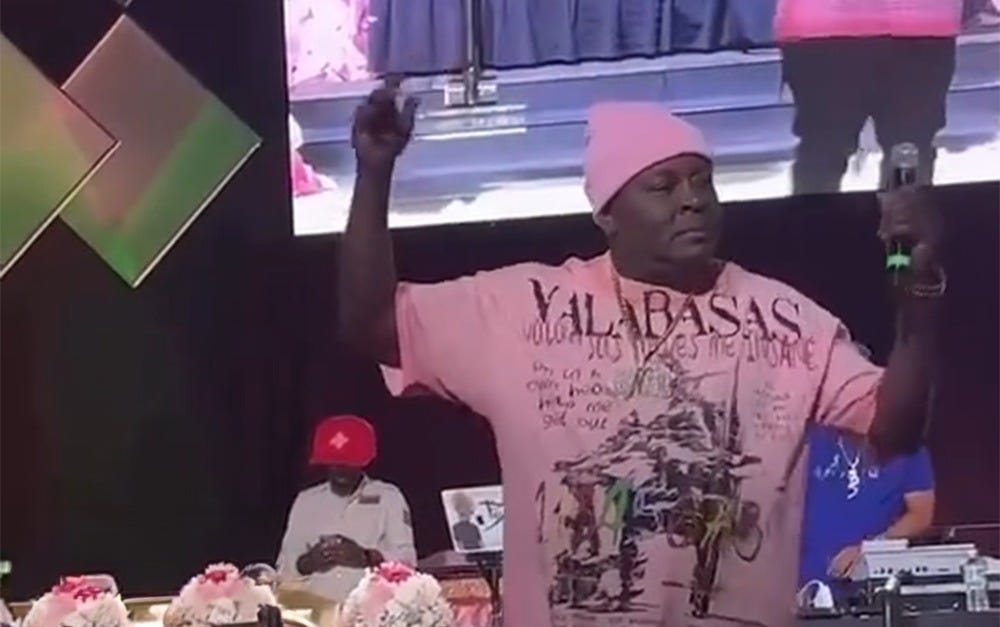
Members of Alpha Kappa Alpha Sorority, Inc. were seen clutching their signature neck adornments during a Trick Daddy performance at the South Atlantic Regional Conference’s Step and Stroll competition on Friday in Orlando, Fla. While the artist reportedly agreed to perform a pre-approved list of songs, his sexually suggestive lyrics caused some members to leave the event room before the performance was cut short.
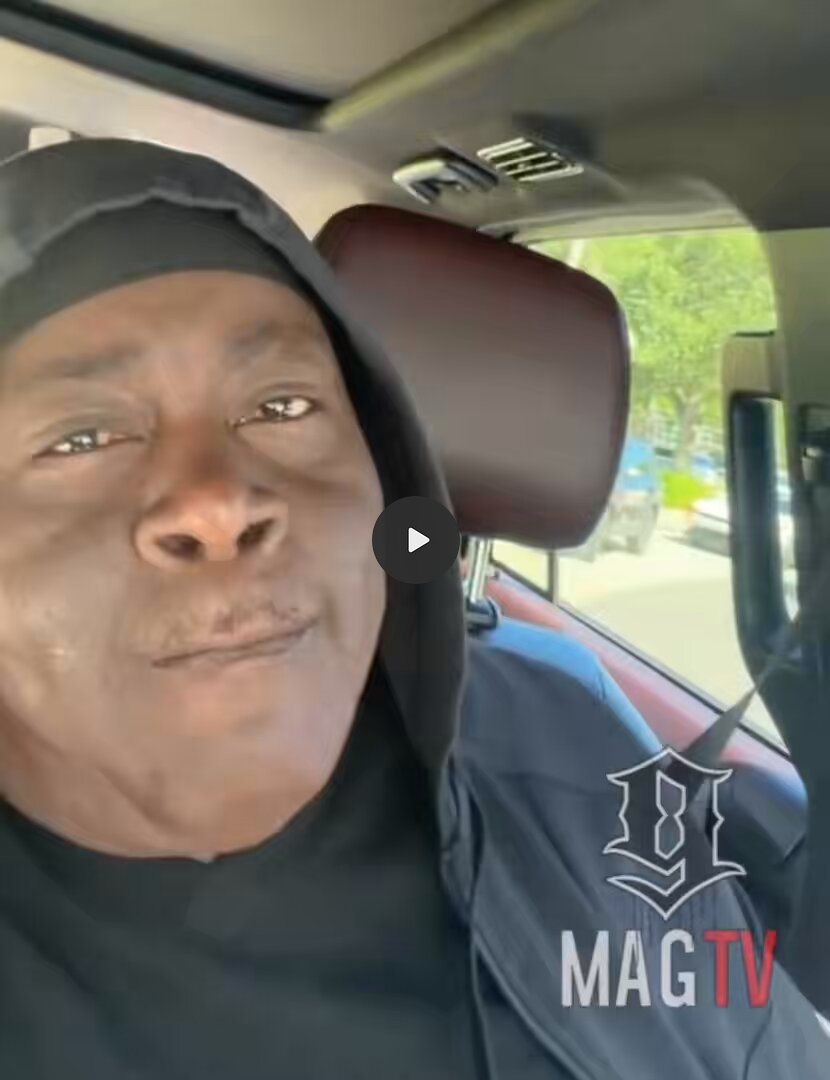
After members left in disgust, Regional Director Tiffany Moore Russell (which might be the most AKA name ever) issued an official statement explaining she ended the performance after Trick Daddy disregarded the organization’s language requirements and the list of pre-approved songs. Hours later, a representative from Trick Daddy Dollars Incorporated responded to the sorority leader’s comments with an official statement of his own.

Before I continue, our white readers should know that there are certain parts of this story that you can’t comprehend.
This story is not about a Black “sorority.” While Black women make up the membership of Alpha Kappa Alpha and the organization can be found on college campuses, Black Greek-letter fraternities and sororities are not the same as Tri-Delts, TKEs and ATOs. The differences don’t matter, and there are no white equivalents. For the sake of this story, you should understand that they are entirely different institutions.
There will be no Trick Daddy slander: The story has nothing to do with his rapping ability or the quality of his music. Trick Daddy has the same number of platinum albums (two) as Gwen Stefani and three additional gold albums. Trick Daddy has been a huge star for nearly 30 years. If you’re more familiar with one than the other, you know why.
This story is not about elitism or being bougie: If you’re white, you probably don’t know why that statement is even necessary. But if you ever get to know a Black woman who wears a lot of pink and green, you’ll learn.
As a Black alumnus of a predominantly white institution called America, there are aspects of Caucasian culture I can never truly understand.
For instance, I know my wash-clothless brothers and sisters consider One Battle After Another to be a good movie. I even predicted that it would win Best Picture. But I can’t explain “why.” Conversely, I understand why Bob Dylan, Elvis and Paul McCartney are ranked above Luther Vandross in Rolling Stone’s list of the greatest singers of all time. It’s not racism (after all, Mary J. Blige is ranked No. 25) or subjective taste. Just as white people can’t fully comprehend why Sinners, Parliament Funkadelic’s “Flashlight” and my mama’s biscuits invoke the same exact euphoria as the Black Holy Ghost, I am not equipped to assess the music that moves white souls (They weren’t ranking the “greatest” or “more influential” singers, mind you, but the “best”).
Even if you are someone who prefers Caucasoidal cinema, pumpkin-based desserts and Bob Dylan songs to Ryan Coogler, peach cobbler or Marvin Gaye (no, seriously, he’s ranked five spots behind Dylan), there is still a lot this story can teach you as a white person.
