


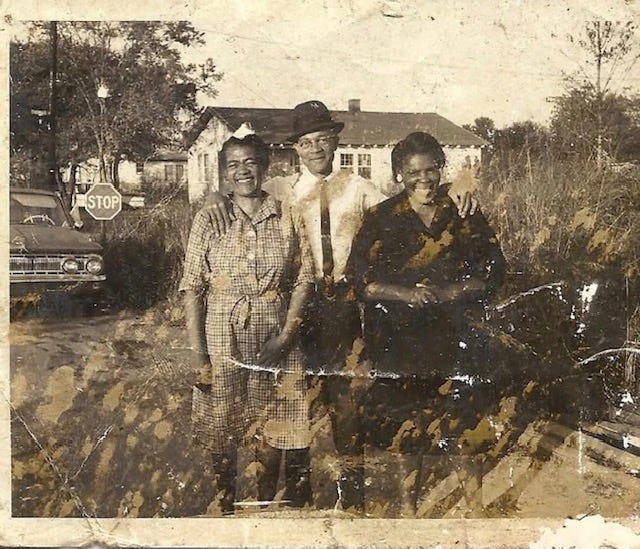
Editor’s Note: This is part two of the “We Got Receipts” series, which explains why Black people have a rightful claim to reparations. Part one explored how Black bodies were monetized during slavery. In part two, we explore how Black landowners had their property seized through either violence or trickery, often aided by the U.S. government.
In the first essay, I showed you how this country leveraged our bodies as collateral to build its fortune. This one is about what happened next, after emancipation, when we tried to turn our freedom into the one thing that builds wealth in America: land.
To tell the story, let me tell you about my grandfather, because this is not abstract for me. He was born in Orrville, in the Black Belt of Alabama, that stretch of dark, rich soil named for the earth and worked by the people stolen to tend it. To understand him, you have to understand what his family survived. His great-grandmother was an enslaved woman who bore 19 children, and every single one was sold or taken from her except one. Nineteen children, and she was allowed to keep one. My grandfather was born just two generations from that loss, and one generation from slavery itself.
Here is the part this country still does not like to say plainly. That great-grandmother had been bought, purchased by a white family that accumulated human beings the way they accumulated land, as property and as wealth. And then, a generation later, that same white family was woven into ours: one of their men and one of our women built a life and a houseful of children together. They lived as husband and wife, though to this day we have never found a marriage license, because in that Alabama, a Black woman and a white man could not legally wed. So understand what that means. The same family that once owned us now shared our blood, and not as some act of reconciliation. It was the ordinary arrangement of power in the South, where a white man could take a Black woman into his life, and the law would recognize neither her nor the children as fully his. That is not a Southern scandal. That is the literal architecture of American wealth and American whiteness, written into one family, on one piece of land.
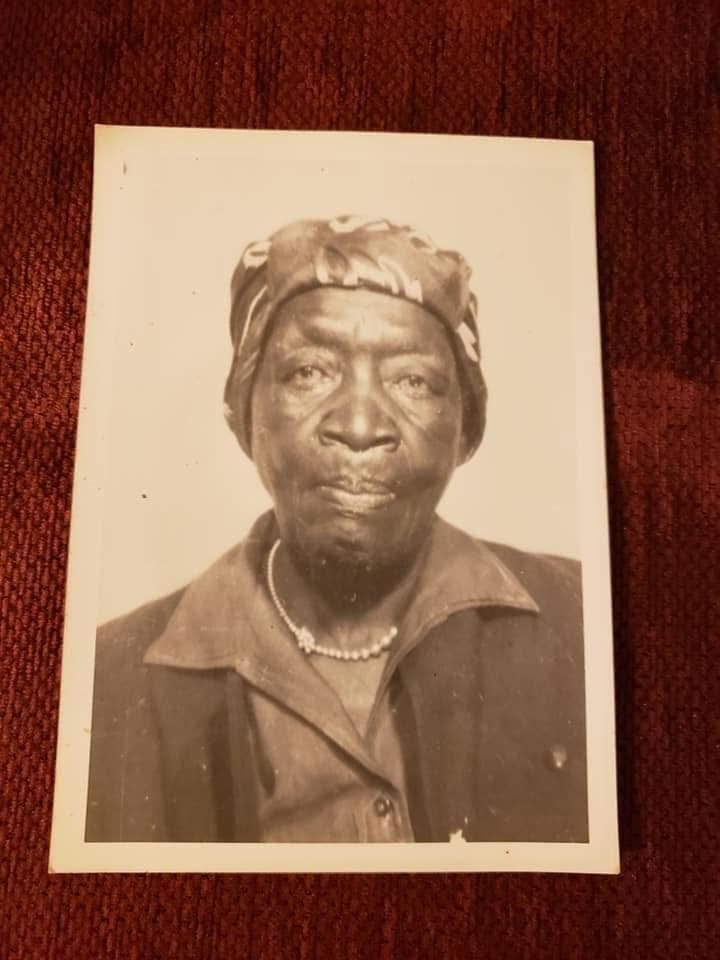
That tangled bloodline is exactly what cost us the land. As long as my grandfather’s white father was alive, the family held on, because his presence offered a kind of protection in a society that respected white men and preyed on Black ones. But when his father died, that thin shield died with him. My grandfather and his brothers, now seen by the world as simply Black men with valuable land, did not give it up. They fought to keep it. They went to the U.S. Department of Agriculture, the agency meant to serve every American farmer, and asked for the same thing white farmers got as a matter of routine: a loan, with their own land as collateral. They were turned away, again and again, to no avail, even as the USDA handed loans freely to the white farmers around them.
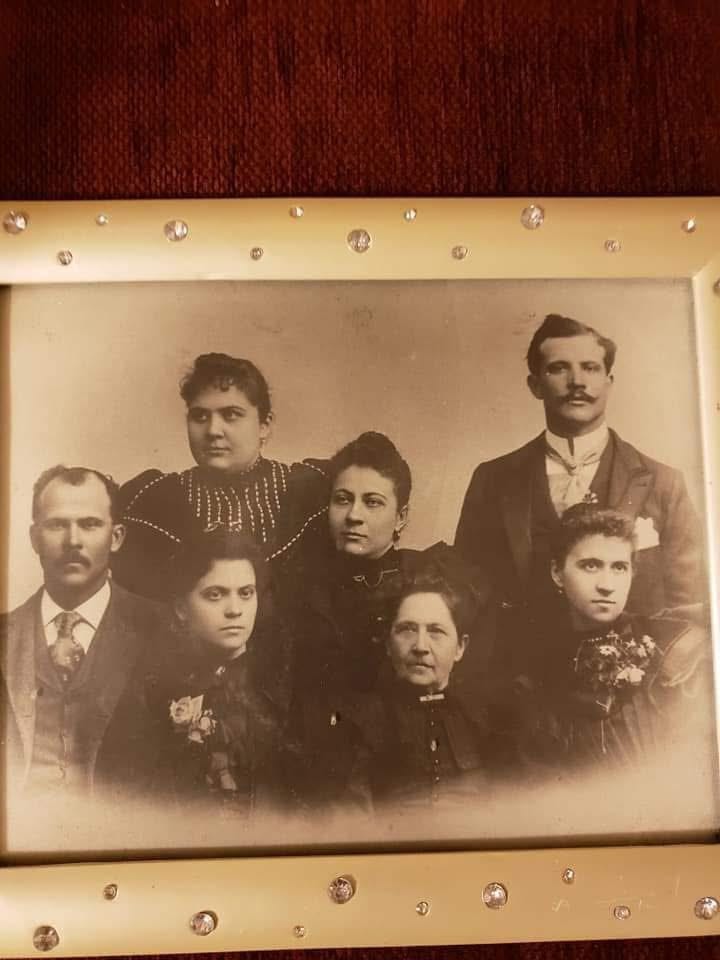
That is not neglect. That is a system working exactly as designed. While the government starved Black farmers of credit, it armed white speculators and large white farmers with the loans and backing to swoop in and take what those starved families could no longer hold. It was a coordinated effort to strip Black folks of their land, the government supplying one side of the transaction with everything and the other with nothing. The speculators got the resources. My grandfather got the door shut in his face. The protection was gone; the vultures had been waiting, and they took the land.
So he lost the farm. In his late 40s. At the age a man is supposed to be looking toward rest and toward what he can hand down, he was loading up his family and moving to Mobile to start over from nothing. He bought a small two-bedroom house for his family (the whole inheritance reduced to two bedrooms) and went to work cleaning boats at the shipyard, a janitor on the ships, climbing down into the holds to scrub them out. My grandmother went to work at a seafood diner, first washing dishes, then cooking. The years white families their age were settling into homes their government helped them buy, my grandparents were starting their entire lives over at zero.
That was not bad luck. That was by design.

