
Let's Choose the Fight for Global Reparations Rather Than the Diaspora Wars
At a time when anti-Blackness is surging, the comments by actor David Oyelowo and the ensuing backlash only further disunity in the diaspora and empower white supremacy.
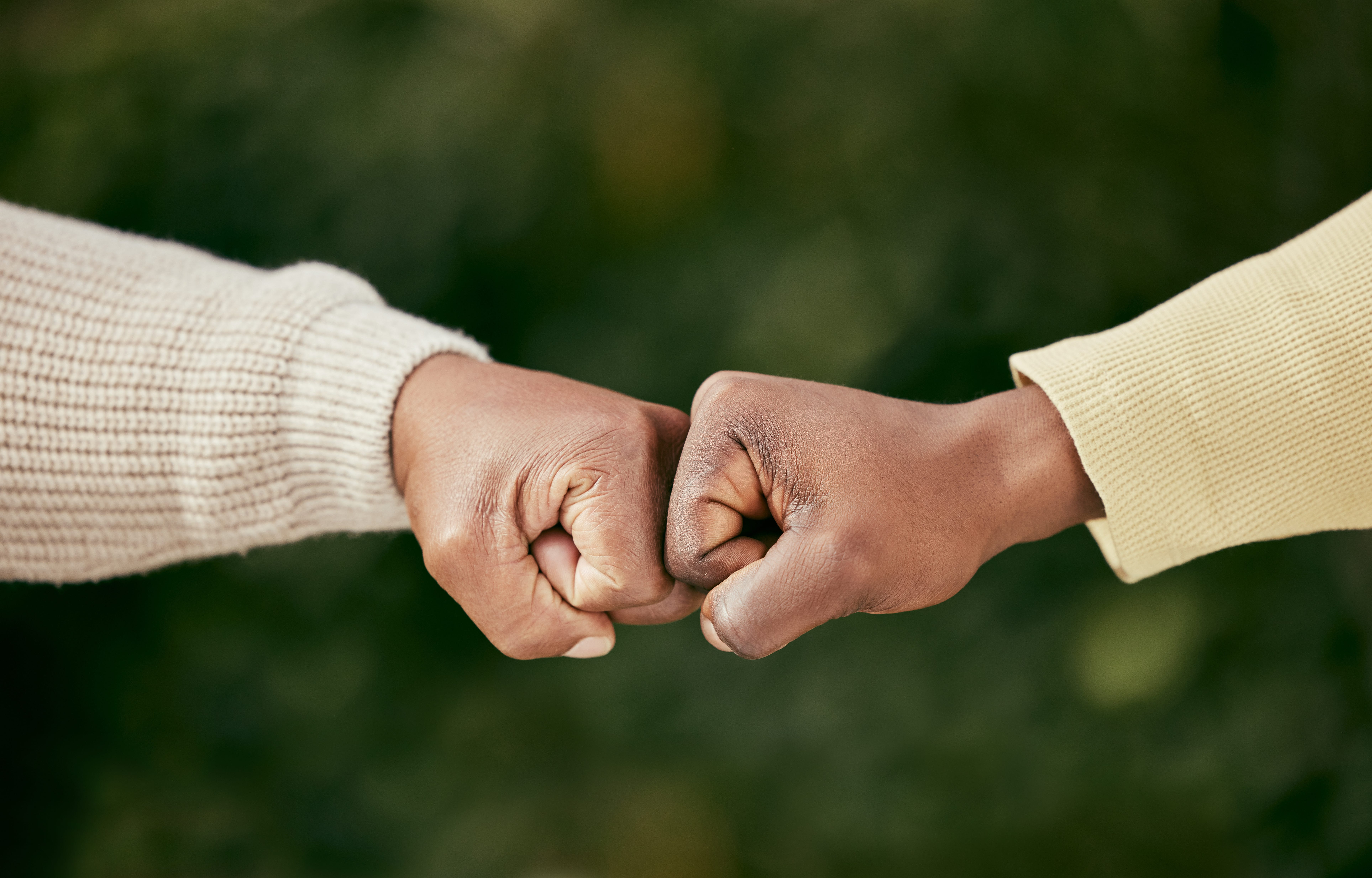
The African diaspora wars are real, and in the end, the disunity is exacting a toll on Black people across the globe. The diaspora wars are cross-cultural conflicts based on disinformation, miseducation and misunderstanding, and they center proximity to whiteness and cause Africans and African descendants to compete over which colonizer is the best. These divisions come at a time when we can least afford them, and the only beneficiary of this distrust and disunity is white supremacy. It is far better to channel our energy into Pan-African unity and the fight for reparations.
Nigerian-British actor David Oyelowo fired the latest shot in the diaspora wars. Appearing on the One54 Africa podcast, Oyelowo disrespected the Southern Black accent—as if there is only one. “If you take the Nigerian accent like this and you slow it down, you put a lot of slavery in there, and then you start to put a little bit of subservience in it,” the actor said, further illuminating the global disrespect of African-Americans reflected in negrophobic media imagery (he has since issued an apology).
Oyelowo—who played Martin Luther King Jr. in Selma, and the real-world Lone Ranger in Lawmen: Bass Reeves—was responding to a skit by comedian Druski that reignited the debate over Black British actors being cast as Black American characters. Channeling Robert Townsend’s “Black Acting School” in the 1987 film Hollywood Shuffle, and echoing Samuel L. Jackson’s criticism of the casting of Black British actors in Hollywood, Druski posted “British Actors are taking all the Roles,” a satirical video posing as Sampson Dubois, a fictional Black British actor.
Whether it is the comedian Godfrey calling out anti-Black self-hate among Dominicans (“I no Black”), debates over whether college admissions are prioritizing African students over African-Americans or Foundational Black Americans (FBA) and American Descendants of Slavery (ADOS) decrying “tethered” African and Caribbean immigrants not deserving of reparations, the diaspora wars are furthering disunity and empowering white supremacy.
Let us not forget that white supremacy created these divisions among the African world through slavery and colonialism. Just as white folks carved up Africa for economic exploitation in the Berlin Conference of 1884-1885 during the Scramble for Africa, today’s neocolonial powers are scrambling for Africa’s natural resources—the minerals, the gold and diamonds, the oil and cacao, and the land. This, as white nationalists act in earnest—and ultimately in vain—to erase Black history and Black political power in the United States during the 250th anniversary of what was founded as a white settler state and is now a sundowning empire.
At a time when forces are aligned against Black people, we must unite the diaspora. African people are interconnected, no matter where they are.
The collective power of Black people is on display at the FIFA World Cup, where some people are learning the African diaspora really is everywhere, whether in Brazil, Congo, Ecuador, France, Haiti, Japan or Mexico.
A perfect way to bridge Black people throughout the diaspora is the movement for reparations for slavery. Like the movement against apartheid South Africa, the fight for reparations is the utmost display of Pan-African unity.
On March 25 at the U.N. General Assembly, the Global South was united in a historic resolution condemning the trans-Atlantic slave trade as the “gravest crime against humanity” and an “unparalleled tragedy,’ while calling for reparations. “Today, we come together in solemn solidarity to affirm truth and pursue a route to healing and reparative justice,” said Ghana’s President John Dramani Mahama, representing the 54-member African Union bloc, the largest regional bloc in the U.N. With 123 votes favoring the resolution, 52 nations abstaining--mostly the Western nations—and only Argentina, Israel and the United States voting no, at least we know where the world stands. Most importantly, we are the global majority.
The U.N. vote on the slave trade was the work of governments and civil society in Africa and the Caribbean, who in a recent conference in Ghana called for an apology and endorsed a framework for reparatory justice from the countries that benefited from the kidnapping and enslavement of 12 to 15 million African people in the Americas. The convening also acknowledged the reparations work of people not only in Africa and the Caribbean, but also in the Americas, Europe and Asia.
African people around the world need to come together, deal with their differences and move toward the things that will benefit us all. This unity will mean decolonizing Black minds and liberating people of African descent from miseducation.
“This institutional miseducation has often disconnected multiple generations of African descendants from pertinent Black historical knowledge and nuanced global perspectives on Blackness, African heritage, ethnicity, and national origin” according to the National Black Cultural Information (NBCI) Trust. NBCI Trust also notes that miseducation from enslavement and colonialism has created “Eurocentric and anti-Black perspectives of ‘self’ and other groups of African descendants,” and looks at education in Pan-African history—African people and their origins, dispersal, survival, resistance, collaboration and unity—as a solution to much of the misunderstandings, stereotypes, feelings of disrespect and other “cross-cultural conflicts” flowing through the diaspora wars.
When South Africans want to expel Nigerians or Ghanaians from their country, or people in African countries follow the lead of the white colonizers and promote anti-LGBTQ laws, ultimately, African people will not benefit. When African-born people disrespect Black people born in the U.S. and Caribbean, and vice versa, and those from the Dominican Republic believe they are better than their Haitian siblings, only white supremacy will prosper.
What we cannot afford is Black people judging others based on which stop they were thrown off the ship or whether their captivity was through home invasion rather than abduction by sea. As African descendants, we were and are still in the same boat, and what affects some of us affects all of us.
“There can be no Black-white unity until there is first some Black unity. We cannot think of uniting with others, until after we have first united among ourselves,” said Malcolm X, who called for controlling the politics and economics in the Black community. He understood the global perspective and the need for Pan-Africanism, offering that “As long as we think that we should get Mississippi straightened out before we worry about the Congo, you’ll never get Mississippi straightened out.”


Wonderful article and I feel the same. I’m a Nigerian born in Chicago. I went to high school in Nigeria and my parents live in Nigeria now. I have no idea why we’re fighting amongst ourselves. Especially in this America. I don’t understand why David Oyelowo (my countryman) would go down that path. I see more of us going at each other and it makes me queasy. I believe, fully, that we’re a force of nature if we’re moving in the same direction.
Terrific article and could not be more timely professor Love! We all should resist the urge to pile on others from the African diaspora, as it does not good at all. This season requires us to be intentional and disciplined when it comes to our survival and uplift as a people.
Thank you for this!! Peace and Power.