


In 1917, Ida B. Wells was undoubtedly the most popular reporter in America and perhaps the most famous American woman in the world.
As the face of the anti-lynching movement, racial justice and women’s suffrage, Wells was one of the most polarizing political figures of her day. To Black America, she was a transformative figure who, single-handedly, reshaped American journalism by pioneering the use of statistical data in newsgathering and truth-telling.
But among white suffragettes, Wells was a nuisance. The New York Times had branded her a “nasty-minded mulattress.” Meanwhile, federal law enforcement agents targeted Wells as a “race agitator.”
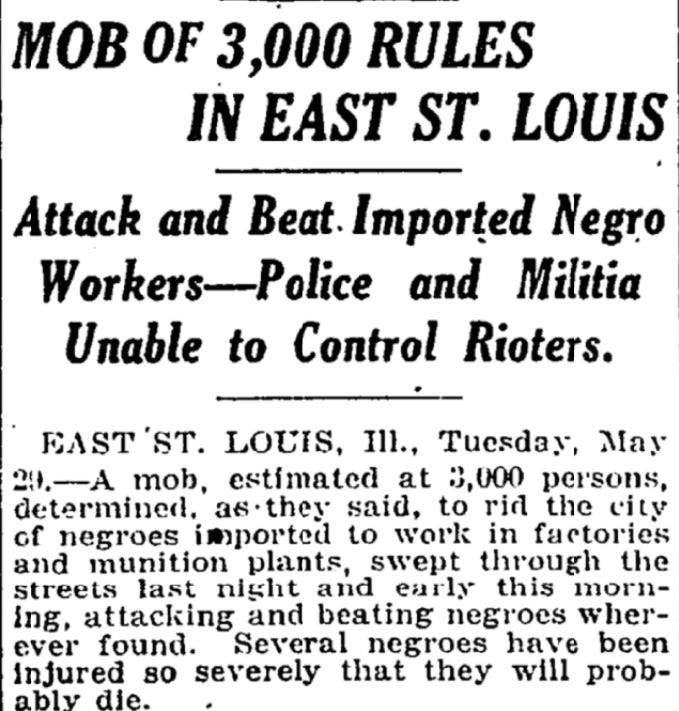
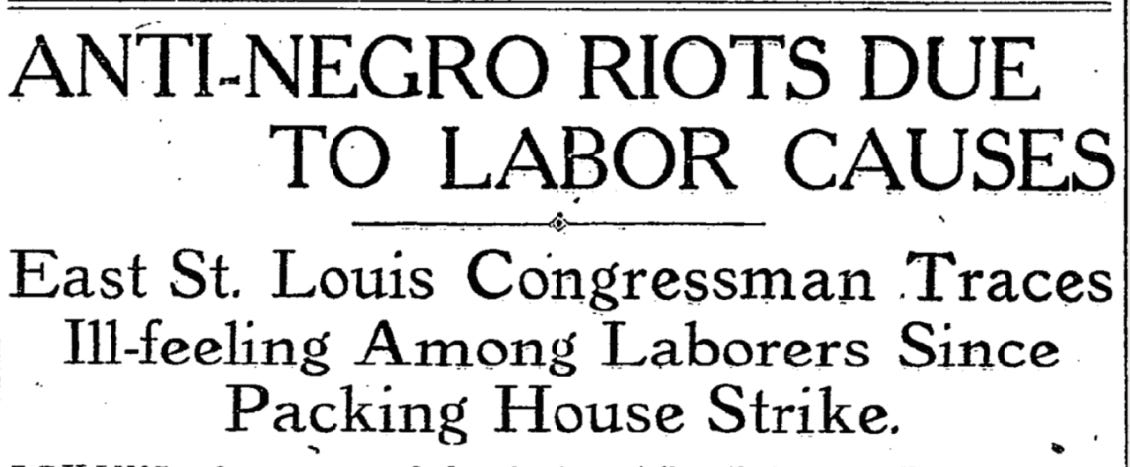
So when the white people in one St. Louis suburb began a monthlong murderfest that displaced more than 6,000 Black residents, the Chicago Defender hired the best journalist in America to write a series of articles. But for anyone who didn’t read Wells’ coverage in “America’s Black Newspaper,” it was impossible to know exactly who was killing all those Black people in the East St. Louis Massacre.
”Killing of negroes and burning their houses in the recent riots of East St. Louis, Ill., was not due to racial hatred, but was entirely the result of labor conditions,” explained white America’s newspaper, The New York Times.
To be fair, according to Chris Cillizza, Ida B. Wells was not a journalist.
Bootlicker: someone who praises or is extremely polite to a more powerful or rich person in a way that is not sincere, usually in order to get an advantage for themselves.
As federal judges repeatedly denied Department of Justice’s attempts to arrest Don Lemon, another former CNN employee penned an article framing the most important aspect of the president’s “frivolous” attempt to persecute a political enemy.


Unlike actual Black journalists, Cillizza didn’t bother to note Donald Trump’s longstanding beef with Lemon. The Undistinguished Fellow at the Caucasian School for Media Mediocrity also failed to mention Trump’s pledge to punish his critics and political rivals. Instead, Cillizza’s “big piece” was based on a singular premise—the notion that journalism and activism are two wholly incompatible pursuits.
